
Gyeongbokgung Palace
Gyeongbokgung Palace, the main royal palace of the Joseon Dynasty, was built in 1395 by King Taejo (Yi Seong-gye), the founder of the dynasty.
As Korea’s most iconic palace, it features magnificent architecture, spacious courtyards, and beautiful seasonal scenery throughout the year.
The palace is also well known as a filming location for many Korean historical dramas, making it a favorite destination for visitors exploring the grounds in traditional hanbok.
After sunset, the illuminated palace creates a magical atmosphere that offers a completely different experience from the daytime.
Highlights of Gyeongbokgung Palace
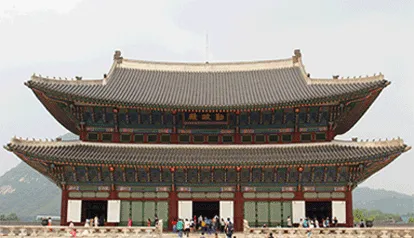
Geunjeongjeon Hall
The main throne hall of Gyeongbokgung Palace. It was used for royal coronations and important state ceremonies.
【Visitor Notice】
Access to the Woldae stone platform in front of Geunjeongjeon Hall will be restricted from September 2 to October 31, 2026, to help protect the cultural heritage site. During this period, visitors will not be able to approach the hall’s doorways to view the throne and interior up close. The exterior of Geunjeongjeon Hall can still be viewed from the courtyard.
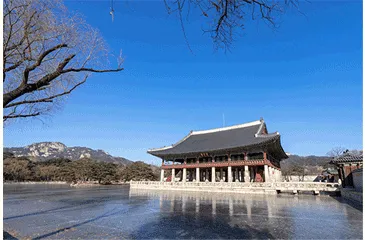
Gyeonghoeru Pavilion
A beautiful pavilion surrounded by a pond.
It is one of the most scenic spots in Gyeongbokgung Palace.
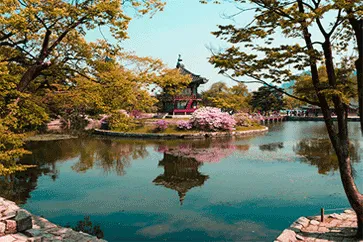
Hyangwonjeong Pavilion
A hexagonal pavilion standing in the middle of a pond.
Visitors can enjoy its beautiful scenery throughout the four seasons.
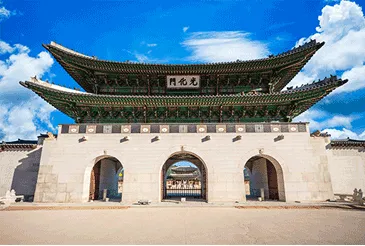
Gwanghwamun Gate
The main gate of Gyeongbokgung Palace.
The Royal Guard Changing Ceremony is also a popular attraction.
Popular Experiences at Gyeongbokgung Palace
All of the following experiences can be enjoyed with a regular admission ticket.
Palace Walk
Gyeongbokgung Palace is the largest royal palace in Korea, built as the main palace of the Joseon Dynasty.
Explore famous landmarks such as Gwanghwamun Gate, Geunjeongjeon Hall, Gyeonghoeru Pavilion, and Hyangwonjeong Pavilion while experiencing Korea’s royal history and palace culture.
As the palace grounds are quite extensive, we recommend allowing 1–2 hours for your visit.
Hanbok Experience
Renting a hanbok and exploring Gyeongbokgung Palace is one of the most popular experiences for both domestic and international visitors.
Visitors wearing a hanbok may enjoy free admission to the palace, making it a wonderful opportunity to take memorable photos in a traditional Korean setting.
Many hanbok rental shops are located near the palace, making it easy to enjoy this unique cultural experience.
Royal Guard Changing Ceremony
Watch the Royal Guard Changing Ceremony, a reenactment of the palace guards’ traditions during the Joseon Dynasty.
The colorful traditional uniforms and impressive ceremony make this one of the most popular attractions at Gyeongbokgung Palace.
National Palace Museum of Korea
Located within the palace grounds, the National Palace Museum of Korea showcases valuable artifacts and exhibitions related to the royal culture of the Joseon Dynasty and the Korean Empire.
Admission is free, making it an excellent addition to your visit to Gyeongbokgung Palace.
Opening Hours
Jan-Feb
Opening Hours:9:00〜17:00
Last Admission:16:00
Mar-May
Opening Hours:9:00〜18:00
Last Admission:17:00
Jun-Aug
Opening Hours:9:00〜18:30
Last Admission:17:30
Sep-Oct
Opening Hours:9:00~18:00
Last Admission:17:00
Nov-Dec
Opening Hours:9:00~17:00
Last Admission:16:00
Closed Day
Closed every Tuesday
🎫 Admission
Adults (19–64)
3,000won
Youth (7–18)
1,500won
Children (Under 16)
Free
Seniors (65+)
Free
Visitors Wearing Hanbok
Free
📍Getting to Gyeongbokgung Palace
By Subway
Line 3
Gyeongbokgung Station (Exit 5)
Just a short walk from Exit 5.
As you exit the station, you’ll see Gwanghwamun Gate, the main entrance to Gyeongbokgung Palace.
Line 5
Gwanghwamun Station
About a 10-minute walk.
Enjoy nearby cafés and Gwanghwamun Square on your way to the palace.
By Bus
Gyeongbokgung Bus Stop
– Blue Buses: 102, 171, 272, 60
– Green Bus: 7025
Approximately a 3-minute walk from the bus stop.
Tips for First-Time Visitors
💡 Changdeokgung Palace, Changgyeonggung Palace, and Gyeongbokgung Palace are located within a short distance of each other.
Some bus routes stop near different palaces, so be sure to check your destination before boarding.